

The Doctor of Physical Therapy (DPT) degree is the entry-level professional credential required for Physical Therapists trained in the United States. For Filipino and other foreign-educated PTs, the DPT is not always required to work in the U.S., but it can significantly improve your credentials, job opportunities, and long-term career growth.
This complete guide explains the DPT pathway, requirements, costs, benefits, and how it connects to your NPTE, licensure, and U.S. employment goals. It also outlines how Grandison Therapy can support your full journey from credentialing to DPT to securing a PT job in the USA.
It is a professional doctoral degree that prepares individuals to become licensed Physical Therapists in the United States. Since 2016, the DPT has become the standard entry-level requirement for PT graduates in the U.S., replacing older BSPT and MSPT programs. A DPT program focuses on:
Unlike a PhD (which is research-focused), the DPT is a clinical doctorate—similar to OTD (Occupational Therapy Doctorate) or PharmD.
For Filipino PTs, the DPT is often seen as a career upgrade, enhancing competitiveness in U.S. job markets.
This is one of the most common questions from Filipino PTs and other foreign-trained international physiotherapists.
The National Physical Therapy Examination (NPTE) s a standardized test required for licensure as a physical therapist (PT) or physical therapist assistant (PTA) in the United States. FCCPT and other credentialing agencies like ICD and IERF evaluates whether your educational preparation is equivalent to U.S. PT education, not whether you hold a DPT degree. Foreign-trained PTs can become licensed through:
The Doctor of Physical Therapy is optional, but it can be beneficial. And a DPT is not required for you to be able to apply for a PT career in the United States.

While earning a DPT is optional when applying to the United States, it can positively influence your earnings and job prospects and your career in the long run.
*Salary based on Indeed salary calculator and industry insights
*Salary range may change from time to time so you are encouraged to do research for more accurate estimated PT salary in the US.
You do not need a DPT to begin practicing in the U.S. as a PT, but earning one can accelerate your long-term career trajectory.
There several types of DPT pathways that foreign PTs can enter:
The most common choice for foreign-trained PTs. A tDPT is designed for:
It “bridges” your existing education to U.S. DPT-level competencies.
Similar to tDPT but with:
Ideal for Filipino PTs still living abroad who want U.S.-standard training without relocating.
Many U.S. universities now accept international PTs into online, hybrid, or transitional programs. When choosing one, ensure:
An Online tDPT is especially beneficial if you plan to pursue future advanced roles in the U.S.
If you are a foreign-educated Physiotherapist, you do not necessarily need a DPT to be eligible to take the NPTE.
Here’s what FSBPT requires foreign-educated physical therapists like you to be eligible to take the NPTE:
The DPT is not mentioned as a requirement for international Physical Therapists. However, it is an option for you in case your education credential review is found to have deficits. Here’s what FSBPT has to say about resolving deficits in education.
Good news is if you are a Grandison Physical Therapist, the student and credentialing team can help you with your credentialing concerns, how to take supplemental subjects and a consultation if DPT is the right path for you.
Grandison Therapy is committed to helping Filipino Physical Therapists achieve their dream of working in the United States. Our mission is to ensure every Filipino PT succeeds confidently—from education to exam to U.S. employment.
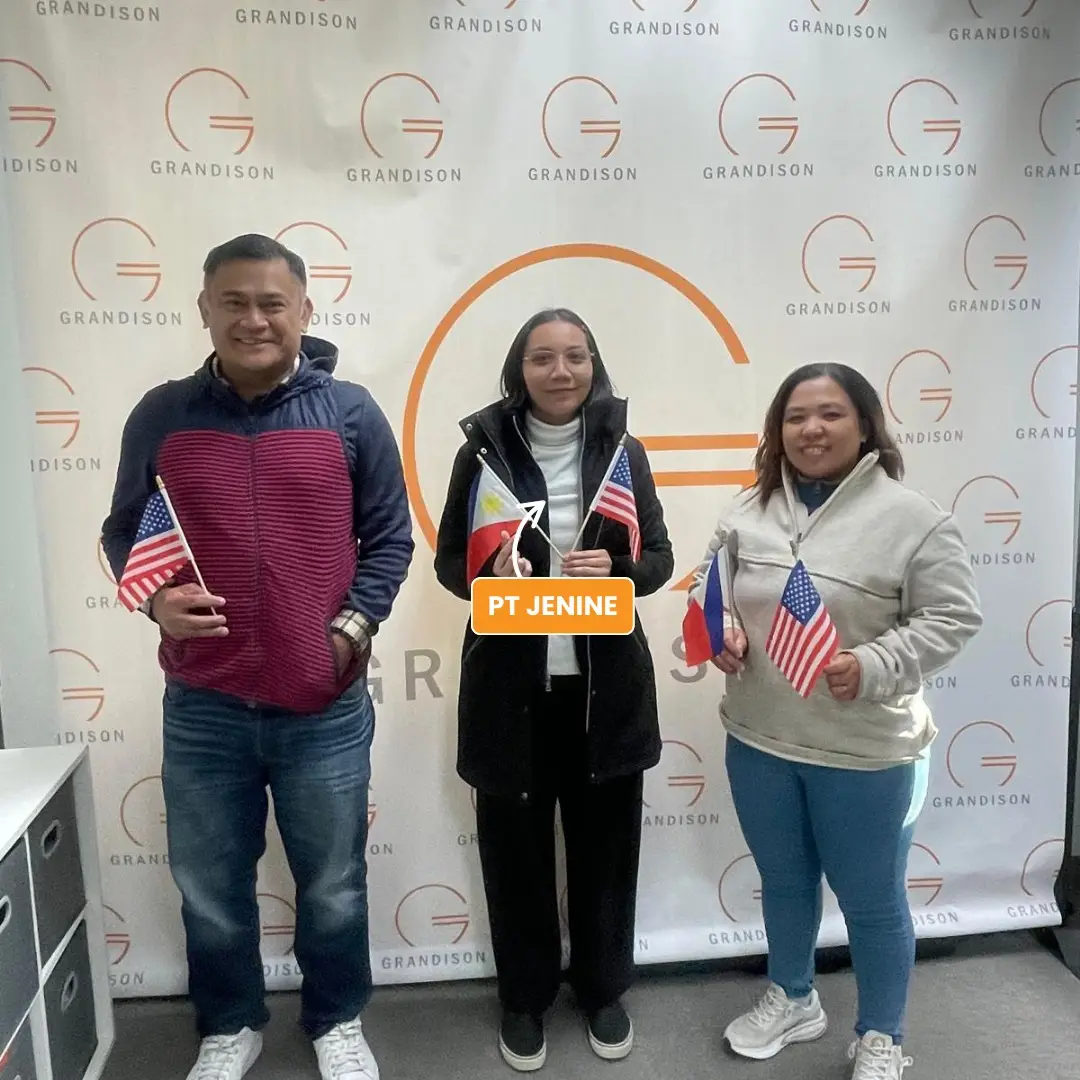
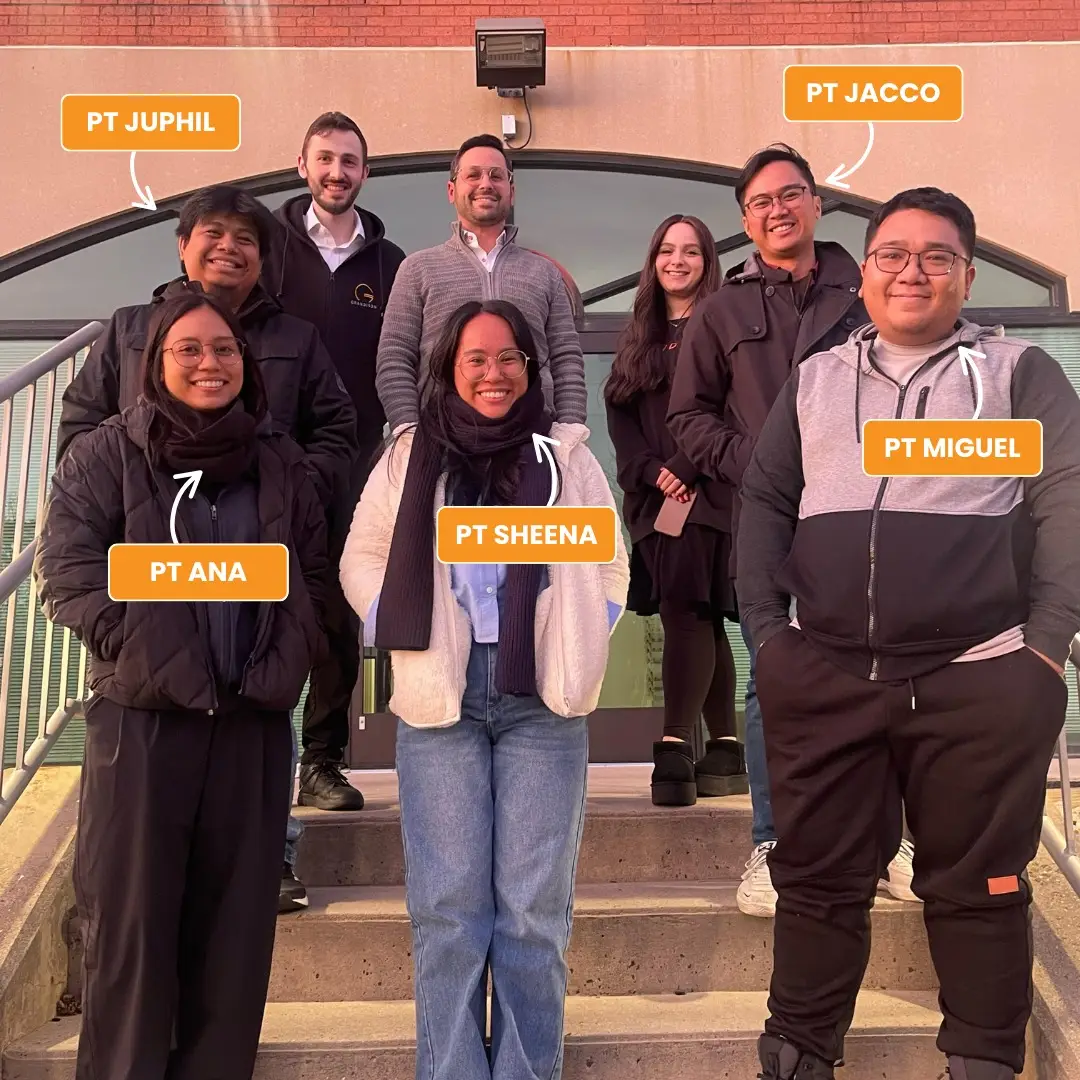
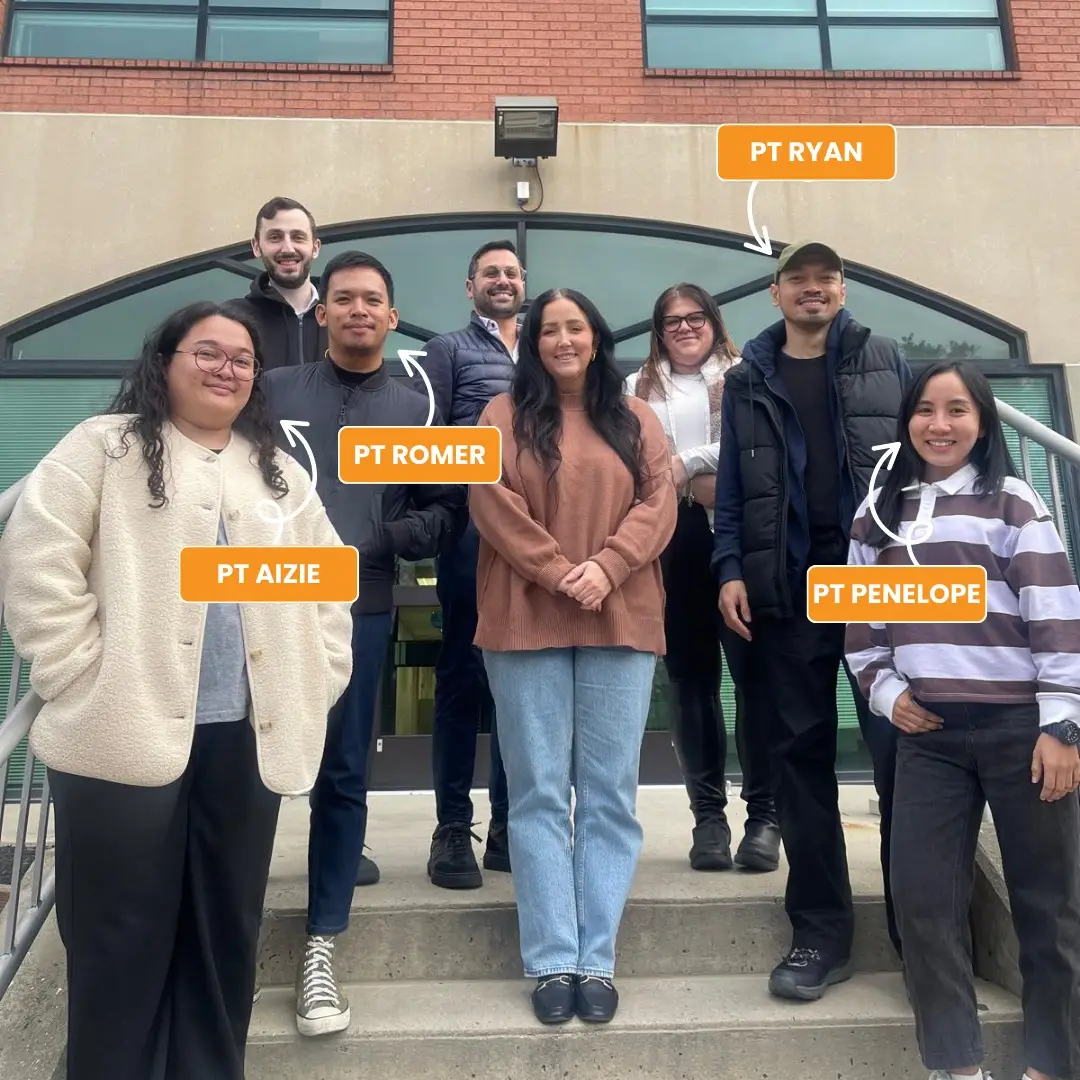
Ready to take the next step in your U.S. PT journey? Whether you’re upgrading to DPT, preparing for the NPTE, or searching for PT jobs in the USA, Grandison Therapy is here to guide you every step of the way.
Start your journey today. Connect with Grandison Therapy.


