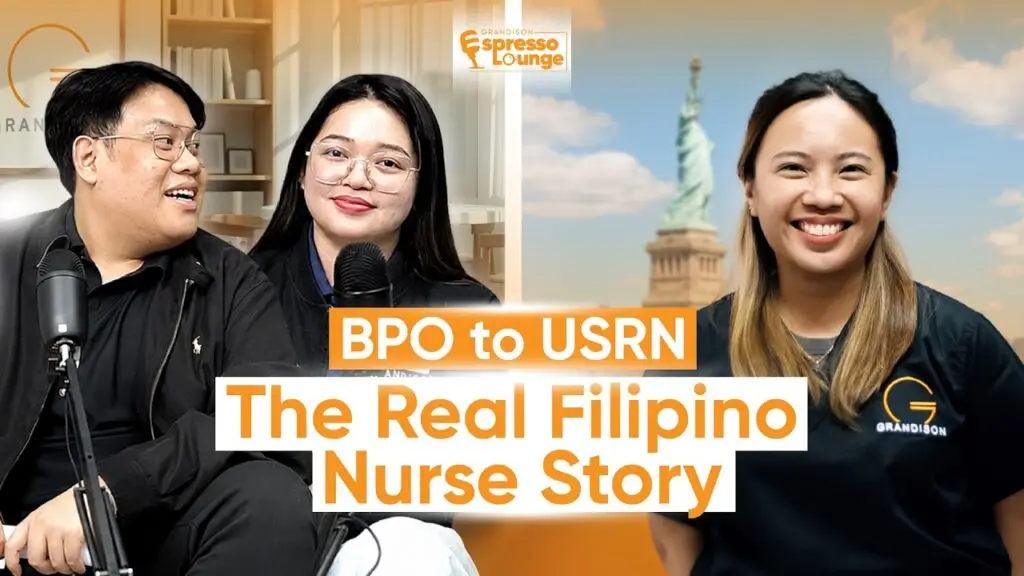
Filipino Nurse Journey to the U.S. thru Grandison Nursing
From the Emergency Room in the Philippines to Upstate New York
For many Filipino nurses, the dream of becoming a USRN involves years of sacrifice, uncertainty, and perseverance. Licensing exams, visa retrogression, financial pressure, and career delays often become part of the journey long before deployment finally happens.
QUICK SUMMARY: USRN Abbey’s USA Journey with Grandison Nursing
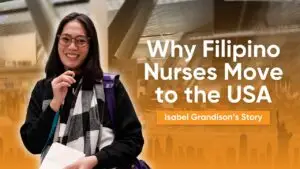
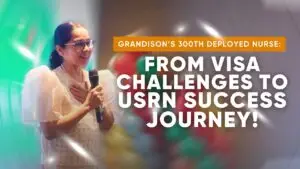
In this interview, Abby Empedrado shares how she navigated the long and emotional road from being an Emergency Room nurse and BPO employee in the Philippines to eventually becoming a deployed USRN in Upstate New York through Grandison.
Her story reflects the reality faced by many Filipino nurses waiting for their American Dream while balancing work, maintaining clinical skills, and surviving prolonged EB-3 retrogression.
Table of Contents: Highlight on Abbey's USRN journey
Watch Full Interview: From BPO to USRN | Filipino Nurse Journey to the U.S.
Surviving the Long Wait During EB-3 Retrogression
Like many internationally educated nurses, Abby initially viewed the American Dream as something exciting yet extremely challenging because of the overwhelming requirements involved in the process.
After eventually passing her exams and progressing through her application, visa retrogression unexpectedly delayed deployment timelines.
According to Abby, the uncertainty became emotionally draining because no one could fully predict how long retrogression would last.
At one point, she admitted feeling close to giving up after waiting for such a long time.
Her story highlights a common reality among Filipino nurses pursuing US deployment pathways:
- Long waiting periods
- Visa bulletin uncertainty
- Emotional burnout
- Delayed deployment schedules
- Financial pressure while waiting
Despite these challenges, Abby emphasized the importance of patience, perseverance, and staying grounded in purpose throughout the process and how Grandison Nursing’s Secure Placement Program can help nurses succeed and achieve their dream nursing job in the United States.
Working in BPO While Waiting for NCLEX and Deployment
One of the most unique parts of Abby’s journey was balancing two careers simultaneously while waiting for deployment.
While working full-time in a BPO role, she also continued clinical nursing practice to maintain her healthcare skills and professional identity.
According to Abby:
- Her regular job was in the BPO industry
- After BPO shifts, she continued clinical duties
- She wanted to keep practicing nursing actively
- She missed direct patient interaction
- She did not want to lose her clinical instincts
This experience resonates with many Filipino nurses who temporarily work outside hospital settings while waiting for:
- NCLEX processing
- Visa approvals
- Priority date movement
- US deployment opportunities
Her story demonstrates that continuing clinical exposure, even while working non-clinical jobs, can help nurses maintain confidence and readiness for future US practice.
Why Abby Chose Grandison as Her Agency Partner
When asked why she chose Grandison over other agencies, Abby emphasized convenience and support.
She explained that:
- Grandison was recommended to her through referrals with positive feedback about the program
- The agency handled most of the complex processing work
- The overall process felt more organized compared to other agencies
- She appreciated having fewer additional requirements to manage independently
For many Filipino nurses, immigration and deployment processing can become overwhelming because of:
- Credentialing paperwork
- Visa documentation
- Medical requirements
- Licensing coordination
- Employer communication
- Legal processing timelines
Having structured agency support can significantly reduce stress during long immigration journeys. And that’s where Grandison Nursing came in — the Gold Standard in ethical recruitment of nurses to the United states.
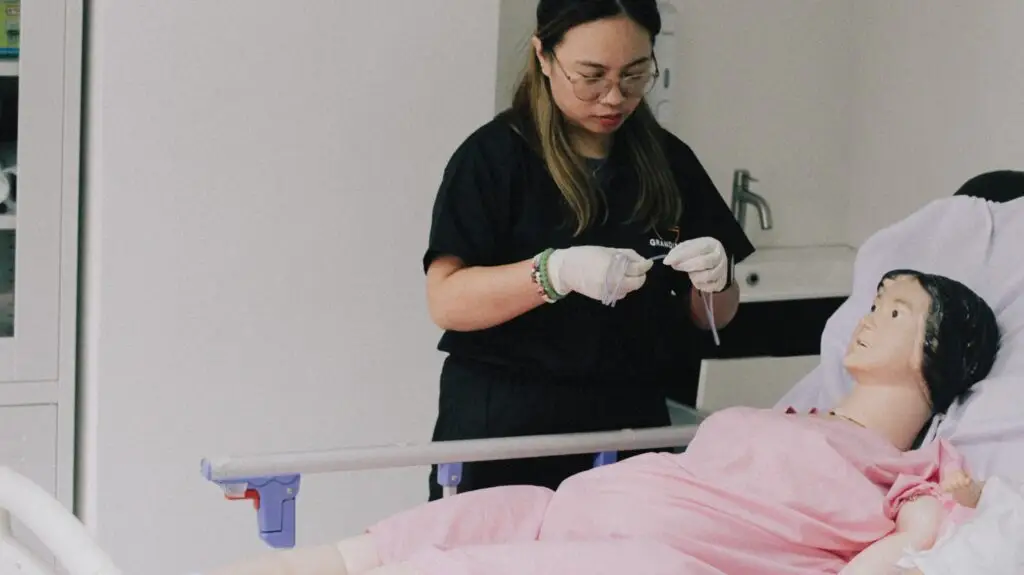
Transitioning from an ER Nurse to a Skilled Nursing Facility in America
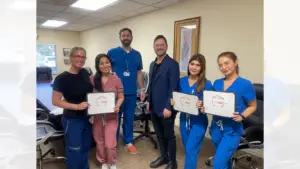
Abby also discussed one of the biggest adjustments after arriving in the United States: transitioning from Emergency Room nursing in the Philippines to working in a Skilled Nursing Facility (SNF) environment in America.
She admitted that the transition initially felt difficult because:
- The work environment was very different
- Clinical workflows changed significantly
- Team dynamics were unfamiliar
- She had to adapt quickly to a new healthcare system
However, she discovered a deeper level of perseverance during the adjustment period.
One of the biggest personal lessons she learned in America was the importance of speaking up for herself professionally.
According to Abby:
“If you want to say no, say no.”
Her experience reflects an important transition many Filipino nurses face when adapting to American workplace culture, communication styles, and patient care expectations.
Advice for Filipino Nurses Pursuing the American Dream
For nurses still waiting, processing documents, or surviving retrogression delays, Abby shared one important message:
Identify your “why.”
She encouraged aspiring USRNs to constantly remember:
- Why they started the journey
- Why they want to work in America
- Why the sacrifices matter
- Why the goal remains important
According to Abby, people are more likely to give up on dreams that do not have deep personal meaning attached to them.
Her story serves as encouragement for Filipino nurses continuing to pursue long-term goals despite setbacks, delays, and uncertainty.
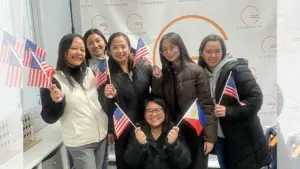
Be the next success story just like USRN Abbey and apply to Grandison now.